
API: The Gift of Assuming Positive Intent
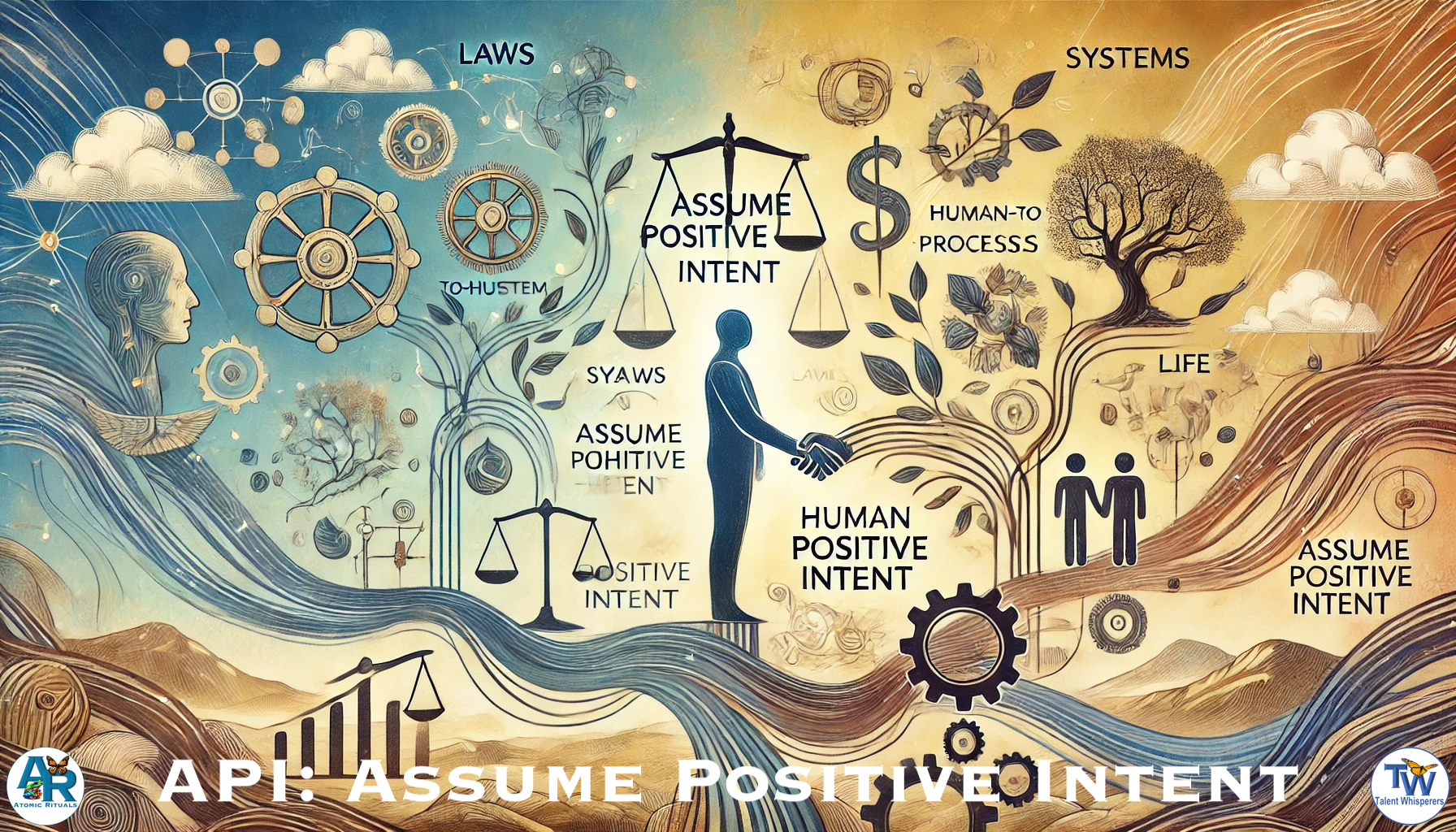
I’m a huge fan of the notion of API – Assume Positive Intent. I realize that I have been professing it for decades with regard of how we should see other humans and their choices and actions. Recently, I had an enjoyable conversation with Itzik Cohen – PayZen’s Founder and CEO. It helped me realize that API towards people was only half of the story of how I’ve actually being viewing my life, my job and the world.
API: The Rest of the Story
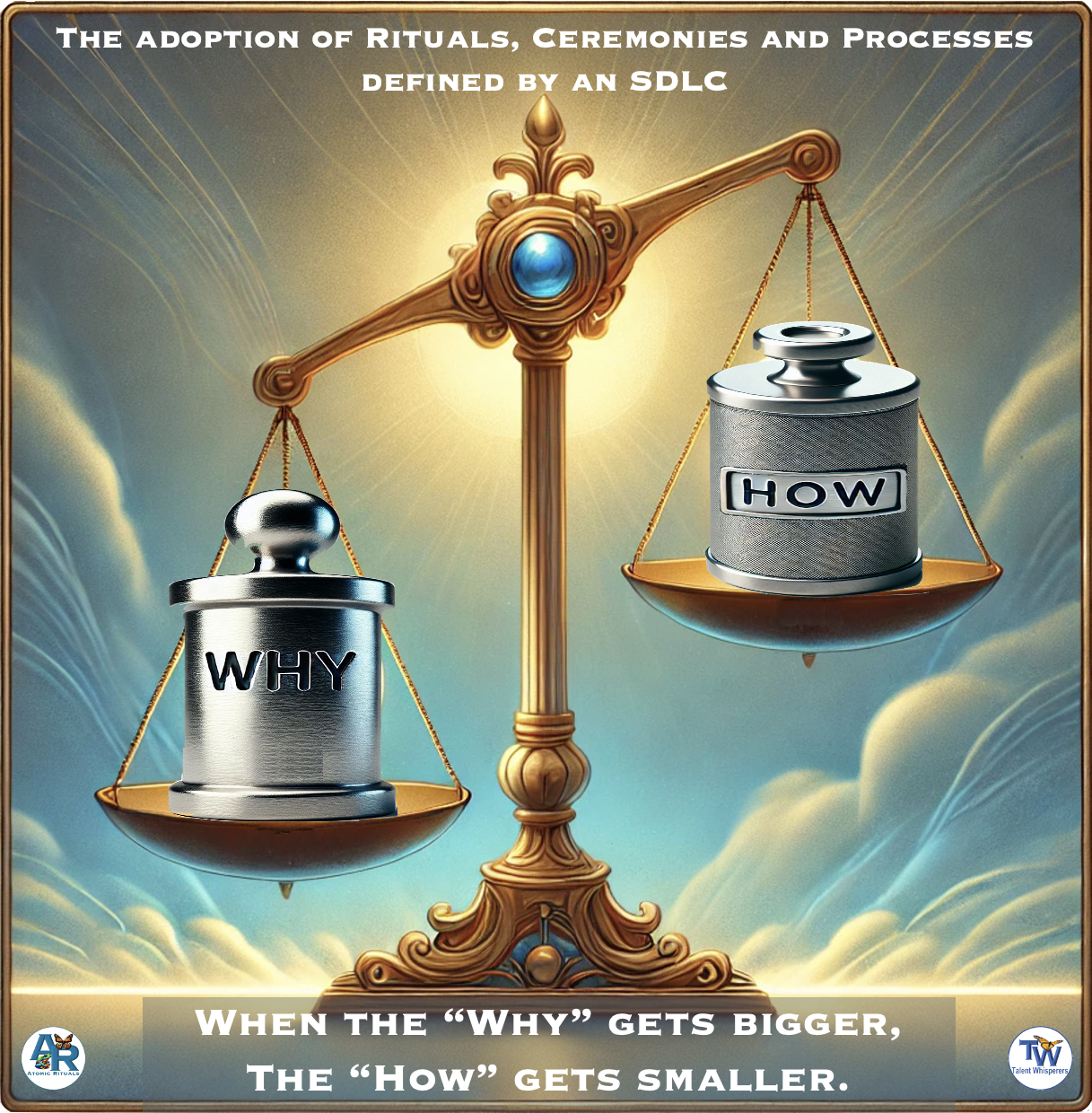
Expanding the principle of Assuming Positive Intent (API) beyond human-to-human interactions to include
- Human-to-System, -Process, -Rule, -Ceremony, and – Ritual
interactions is a constructive perspective that enables adoption and encourages improvement.
By recognizing (or at least assuming) that systems, processes, rules, ceremonies and rituals are designed with the intention to add value, we can approach them with curiosity and understanding, rather than frustration or resistance. If we understand the presumed positive intent, and we recognize they are not optimally solving for that intent, we can atomically, incrementally and iteratively improve them to more effectively solve for a positive outcome. This holds true even if it’s not clear they were truly created with the “right” intentions.
With API towards systems, process, ceremonies and rituals, the reluctant adopter can become a strong advocate for rigorous adherence. This only comes with deep appreciation of purpose and value which is based in the positive intent with which they are created and improved.
In many ways I also see this as my core philosophy in Human-to-Life Interactions. I can always find something positive to derive from whatever life chooses to throw at me. This also aligns with my philosophy of viewing everything (criticism, setback, failure, mistake) as a gift.
Note, the considerations around Competence and Ability also tie into this. See ACA: Assume Competence and Ability.
See Also Below:
- Appendix 0: Adopting and Improving Rituals, Ceremonies, Systems, and Processes
- Appendix 1: The Brain Science of Assuming Positive Intent
- Appendix 2: ABI: Assuming Bad Intent
- Appendix 3: API and the 10x Engineer
- Appendix 4: Hiring for an API-Mindset
- Appendix 5: Other Perspectives and Parallels
- Appendix 6: Parallels Between Phil Jackson’s Coaching and API
Beyond the Pleasure Principle
Expanding the principle of “Assume Positive Intent (API)” beyond human-to-human interactions to human-to-system, human-to-process and human-to-ritual interactions is a valuable lens through which we can foster understanding, empathy, and constructive engagement within organizations. By presuming that systems and processes were created with the intention to add value, we can approach them with curiosity and a focus on incremental improvement rather than resistance or frustration.
Understanding Systems and Processes with Positive Intent:
- Purpose Recognition: Acknowledge that existing systems and processes were established to address specific needs or challenges. By understanding the original intent behind their creation, we can better appreciate their current structure and function.
- Constructive Engagement: When encountering inefficiencies or obstacles within a system or process, assuming positive intent encourages us to delve into the underlying reasons for its design. This mindset promotes a more thoughtful and empathetic approach to problem-solving.
Encouraging Incremental and Iterative Improvements:
- Continuous Improvement: Viewing systems and processes through the lens of positive intent doesn’t mean accepting them as perfect. Instead, it fosters a culture where individuals feel empowered to suggest and implement incremental and iterative enhancements, aligning with the original positive objectives.
- Collaborative Refinement: Assuming positive intent in systems and processes promotes collaboration among team members to refine and optimize these structures collectively, leading to more sustainable and accepted improvements.
Concept Overview:
By extending the principle of assuming positive intent to our interactions with systems, processes and rituals, we cultivate a more empathetic, proactive, and improvement-oriented organizational culture. This approach not only enhances efficiency but also contributes to a more positive and engaged work environment.
Key Insights and Applications:
- Purpose Recognition:
- Systems and processes are often designed to solve a particular problem, meet a need, or create efficiencies. Recognizing this intent allows us to engage with them more productively.
- For example, many bureaucratic processes, while seemingly cumbersome, aim to ensure fairness, consistency, or compliance.
- Constructive Engagement:
- Assuming positive intent encourages us to explore the original rationale behind the creation of a system or process. This understanding fosters empathy for its creators and helps uncover insights into its design.
- Constructive engagement requires asking questions such as: “What problem was this system or process designed to solve?” and “What constraints influenced its design?”
- Continuous Improvement:
- Systems and processes should not be seen as static or perfect but as starting points that reflect the knowledge and circumstances of their time.
- Assuming positive intent in systems encourages a mindset of continuous improvement—not tearing down, but incrementally refining and adapting them to meet evolving needs.
- Collaborative Refinement:
- By approaching systems and processes with the belief that they were created with positive intent, teams are more likely to collaborate effectively to refine and optimize them.
- This principle aligns with iterative frameworks like Agile, where small, incremental improvements build toward better outcomes over time.
- Mindset Shift:
- Shifting the mindset from “Why does this system/process frustrate me?” to “What value was this system/process designed to create, and how can we enhance it?” reduces emotional resistance and promotes a solution-oriented culture.
Illustrative Example:
- Imagine encountering a cumbersome onboarding process for new employees. Assuming positive intent might lead you to discover it was designed to ensure thorough compliance with legal requirements. With this understanding, you can propose specific, incremental improvements to streamline areas that cause unnecessary delays while preserving its original intent. Furthermore, it can be really helpful to tell new-hires that one of their onboarding tasks is to improve the onboarding process for the next new-hire. This creates a mindset that it should be helpful. It furthermore creates the mindset of see something that could be better, then make it better.
Sources and Analogous Principles:
- Kaizen (Continuous Improvement): Rooted in Japanese business philosophy, Kaizen emphasizes small, incremental changes to processes to improve efficiency and quality. This aligns closely with assuming positive intent in processes while focusing on iterative improvements.
- Agile Methodology: Agile frameworks advocate for iterative development, where processes are continually refined through feedback and collaboration, resonating with the idea of constructive engagement with systems.
- Human-Centered Design: Empathy is a core tenet of human-centered design, encouraging practitioners to understand the people and constraints behind systems to create more effective solutions.
- Systems Thinking: Recognizing interconnections and understanding the broader purpose behind individual components aligns with the principle of seeing systems and processes through a lens of positive intent.
Actionable Takeaways:
- Purpose: Assume that systems, processes, ceremonies and rituals exist to solve problems or create value, even if their implementation seems flawed.
- Understand the Why: Seek to understand the “why” behind their design by engaging stakeholders and researching their history.
- Move Incrementally: Encourage incremental and iterative improvements to address inefficiencies while preserving the positive intent behind their creation.
- Feedback: Foster a culture where feedback on systems, processes, ceremonies and rituals is seen as a collaborative opportunity to refine and enhance them for yourself and others rather than as criticism.
See Also
- The Dark Side of Agile – my experience with regard to attempting to implement agile without focusing on the positive intent of all of the ceremonies (rituals).
- Making Rules – How I got three young boys who hated rules to become the strongest advocates for rules and improving rules.
- Assuming Positive Intent with regard to other humans:
- Believe in Mind – Assume Positive Intent: A Habit That will Change Your Life
- CultureAlly – Positive Intent in the Workplace
- U.Va. Health – Assuming Positive Intent
- The Collaborative Way – A CEO’s advice: Assume Positive Intent
- Executive Coaching Network – Leadership Effectiveness: Cycle Of Trust—Assume Positive Intent
- Radiant Health – The Power of Positive Intent
- Smart Brief – The Magic of Assuming Positive Intent
- Just a Theory – Assume Positive Intensifies
- The New Stack – 6 Steps to Take When Advocating for Process Change
- Arden Coaching – Assuming the Best in People Leads to Win-Win Situations
- People Development – Assumptions Impact Success: The Power Of Positive Intent To Build Trust
- The Master Teacher – The Surprising Benefits of Assuming Positive Intent
- NeuroLaunch – Psychological Laws: Unveiling the Hidden Rules of Human Behavior
- Elephant Journal – 7 Surprising Reasons why assuming People have Good Intentions can Change (& even Save) our Lives
Appendix 0: Adopting and Improving Rituals, Ceremonies, Systems, and Processes
All too often have I seen a struggle, even fierce battles, with regard to the adoption of rituals, ceremonies, systems, processes or rules. The most common barrier to adoption comes when they are handed down like an edict that must be followed. Sometimes non-adherence comes with the threat of being fired. Those whose are thus having these rituals or ceremonies thrust upon them feel they are being constrained and told how they should do their jobs and lives their lives at work.
I have also observed a recognition of the values of guidelines as being things that improve life at work to the extent that they are not only enthusiastically embraced but also continuously and incrementally improved.
– Sell verses Tell:
A guideline to leaders we used at Intuit convey the notion that you will get more buy-in and adherence to what you’d like to see happen when you “sell” it. Selling takes longer in the moment. There are situations where a tell is the right choice (e.g. the site is down or data is being corrupted – do this to fix it). That can be followed with a 5-why postmortem for deeper understanding. Apply the sell across the board, however, leads to disengagement and lower moral.
– Experiments and Retrospectives:
Most creative souls, often including engineers, are reluctant to the introduction of new or more stringent Rituals, Ceremonies and Processes. Over the years, I have found the best way to migrate a team, a few things help:
- Hypothesis: Lead with a hypothesis that the introduction of a new ritual, ceremony or process could make things better. Explain why we feel we need need to make things better and how we believe we might do that – the hypothesis – do x and y will improve.
- Experiment: Since there is often skepticism and reluctance to change (see Immunity to Change), I found it really helps to say since this is just a hypothesis, we’ll do an experiment, if nothing changes, we’ll think about what tweaks could make it work. If that doesn’t dork, we should revert the change. If we do this experiment within a sprint, even skeptics that believe it will fail often go along. Of course, it really helps if you start with small changes that you really believe will help and are willing to really make happen. It won’t happen magically for an unwilling team reluctant to change.
- Retrospective: This is another reason small cycles, like sprints, really help. In the retrospective, the hypothesis and change can be restated to be followed with – how well did that go?
- Scrum Master Rotation: When introducing agile when I ran engineering for Yahoo Games, I found another mechanism that helped engineers be more open to adopting, embracing and improving rituals and ceremonies. I had engineers that either had an interest in becoming a leader at some time, or those that were skeptical how things were managed. I offered to them that they could be scrum master for a few sprints with the one ask that they introduce a change to how we do things to make them better and then go through retrospectives to see if the team felt there was improvement. Some decided to throw out a ceremony they felt was unnecessary overhead. In the retrospectives, they then sometimes discovered that things had actually gotten worse as a result of removing the ceremony. We then tweaked our hypothesis to how the ceremony they removed could be modified to or replaced by one that worked better. This also created a great deal of empathy for leading even if it was only leading scrum ceremonies.
– Journey of a Disruptive Tech Startup:
- Seedling: The journey of a disruptive tech startup starts as a scrappy seedling rapidly iterating through and refining prototypes to find product-market-fit. While there are processes and rituals to do this effectively, the creative and adaptive flexibility is best supported with a great deal of freedom.
- First Customers: Once a viable product-market-fit hypothesis is achieved, a functioning product can be developed to sell to early adopters. The level of rigor increases as now someone is paying for and using it. This means it has to work most of the time. There may still be adjustments with the learning that comes from seeing real usage. In this phase, some flexibility is still of value and some tolerance exists among early adopters.
- Scaling up: as either the numbers of customers scale or individual customers arrive that are themselves at enterprise scale, expectations with regard to scale, performance, functionality and reliability also increase. This results in an often overwhelming collection of objectives to address on top of a product typically patched together with lots of tech debt. This at a time where customers and the business demand all of these thing in parallel built on top of an iceberg of code never designed to handle it all. This Crossing of the Chasm is where many startups falter and die. Others may face existential crises but manage to persevere. See Weathering Storms.
– Rebuilding
You will discover you have a great deal of existing code grown over months if not years, that needs to change. That involves a lot of work. In parallel, the growing and successful business has more demands that the existing team can meet.
- Small Increments: Often critical bugs will pop up, demands from critical customters will arise, a new partner shows up on the horizon and we need to drop everything to address the new reality. The bigger the projects you engage in, the more likely you’ll be caught in mid-stream and need to drop it – swapping it to another team is also a poor choice. So, if you have one six week or six month project you need to drop, you potentially lose six weeks or six months. However, if that work is broken into two weeks sprints with incremental value, the most work you”ll lose is two week’s work.
- Fences: Tech Debt often looks like code that was repeatedly modified to account for edge-cases as they came up. This results in very convoluted code. The temptation is great to through it all out. However, if you don’t know why a fence was out up before tearing it down, you’re likely going to have to rebuild it. This is why, after major, lengthy rewrites, the end result is actually worse than what you had before.
- Under the Hood: Context is a vital ingredient when making any change – whether to fix a bug, add a feature, add a test or remove tech debt. My belief if that if you have the hood up to change the oil, you might as well change the spark plugs. If you thus always leave any touched code in a better state than you found it, things will move in the right direction.
- Priorities: When the work on all fronts seems overwhelming, where to begin seems like a hard question to answer. One indicator where tech-debt should be improved or tests should be added is where production issues tend to occur. This goes beyond adding a test to cover precisely what happened. A 5-why root cause analysis can help discover the nature of the issue to inform being able to prevent not just that issue but also similar ones from slipping past the test-framework. Here to, the depth of the bug tracking system can help. If it tracks area of the code where the bug occurred (e.g. via labels in Jira), it can help inform in which area the tech debt is particularly costly. I’ve also had teams account for time spent in each ticket – whether a feature code change or a bug fix. This further informed how much engineering time was spent doing what in what area. Many engineering teams are reluctant to try this, but those that have discovered it was tremendously useful.
- Tracking: To help inform if you’re moving forward with quality, it helps to continuously track in-coming verse fix rates for bugs. Being consistently in the red is a really bad sign.
– Reviews:
It can help to double-click on presumed whys. When asked for the why or value behind doing a document, code or design review, a common response is to improve that document, code or design. However, a deeper, more long-lasting and bigger impact results when you think a bit deeper. If you do such reviews with a mindset of providing a gift to the author, you will frame it differently, you will have a deeper appreciation for why and how such reviews are done. If, as the author, you think of review comments as criticisms, you’re much more likely to be defensive and less likely to be receptive. If you receive them as gifts (even if they weren’t intended as such), you are in a better position and mindset to benefit from them. This line of thinking applies to other things where we might not fully appreciate the deeper purpose.
End-of-the-year performance reviews are also more beneficial when given and received as gifts.
– In the Classroom:
An analogous experience about introducing rules arose when I was a school teacher. Teachers usually set up classroom rules at the beginning of a year and then. often fought to enforce them throughout the year. I took a different approach. On day one, I’d ask the students what their experience was with classroom rules. I also asked them why rules existed. Then I invited them to create the rules for the classroom. When I did this, they often came up with much stricter rules than I would have, but they had good reasons for them. The great thing was that they mostly adhered to them without my guidance. If someone broke a rule, the students would hold themselves and each other accountable for the violation
– On the Playing Field:
Early on, I took two sports teams from being the weakest, or closest to the weakest in the league and wanting to increase their win record. I introduced defensive and offense strategies and zones by starting with why they were being introduced. We worked on them to iteratively improve. In the end, both of those teams ended up winning national championships. Successful turn-around with other teams followed, and it seemed the turn-around time was shorter with each subsequent team.
Appendix 1: The Brain Science of Assuming Positive Intent
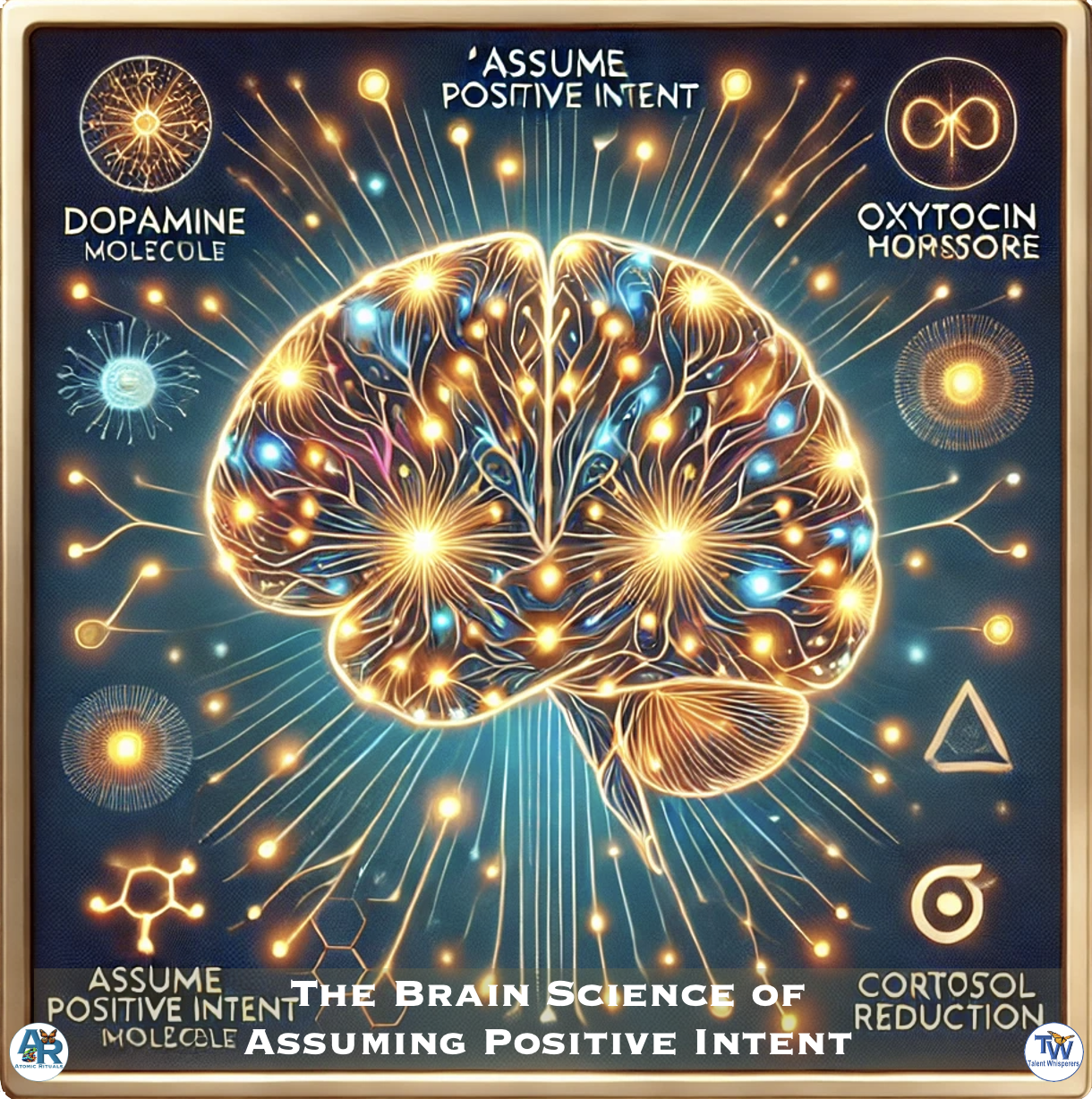
Assuming Positive Intent (API) isn’t just a constructive mindset—it’s deeply rooted in how our brains work. Extending this principle beyond human-to-human interactions to include systems, processes, rules, laws, and life events can create a virtuous cycle in brain chemistry, fostering positive neural pathways and improved mental resilience. This aligns with the ideas in The Power of Neuroplasticity by Shad Helmstetter and includes core concepts like “neurons that fire together wire together” and the role of myelination.
1. “Neurons That Fire Together Wire Together”
- This principle, coined by Donald Hebb, explains how repeated activation of specific neural pathways strengthens the connections between neurons.
- When we assume positive intent, the neural circuits associated with curiosity, empathy, and trust are repeatedly activated. Over time, these circuits become stronger and more efficient.
- As this process continues, it creates a reinforcing loop, making it easier to default to this mindset in the future while reducing the emotional and cognitive effort required.
2. Myelination: Building Speed and Efficiency
- Myelination is the process by which myelin, a fatty substance, insulates neural axons, increasing the speed and efficiency of electrical signals in the brain.
- Regularly practicing positive intent—whether toward people, systems, or life events—leads to the myelination of associated neural pathways.
- Over time, this process ensures that assuming positive intent becomes an automatic and natural response, speeding up our ability to empathize, reframe challenges, and approach situations constructively.
3. Creating a Virtuous Cycle in Brain Chemistry
When we assume positive intent, several beneficial neurochemical responses occur:
- Dopamine Release: Positive reframing and optimism trigger the release of dopamine, the brain’s “reward” chemical. This makes the behavior feel rewarding and encourages repetition.
- Oxytocin Release: Trust and empathy fostered by assuming positive intent can increase oxytocin, the “bonding hormone,” strengthening interpersonal connections and collaboration.
- Cortisol Regulation: Viewing systems and life’s events through a lens of positive intent reduces cortisol, the stress hormone, leading to calmer, more constructive responses.
These chemical responses create a feedback loop that reinforces the behavior and fosters emotional resilience, reduced stress, and improved relationships.
4. Reinforcing Positive Patterns
Practicing positive intent strengthens neural pathways that align with growth and constructive engagement:
- Interrupting Negative Wiring: Habitual responses of mistrust or frustration activate different pathways. By shifting to assuming positive intent, we weaken the old, less productive patterns.
- Encouraging Curiosity and Problem-Solving: Neural circuits involved in curiosity and problem-solving grow stronger, enhancing our ability to adapt and improve systems, processes, and relationships.
5. Long-Term Neuroplasticity
Assuming positive intent leverages neuroplasticity to reshape the brain in profound ways:
- Strengthened Prefrontal Cortex: Increases activity in the region responsible for rational thinking and emotional regulation.
- Reduced Amygdala Reactivity: Lowers stress responses, promoting a calmer, more thoughtful approach to challenges.
- Increased Neural Efficiency: Myelination ensures that positive thinking pathways operate quickly and effectively.
Implications for Leadership and Life
- In Leadership: Assuming positive intent fosters trust, collaboration, and a culture of continuous improvement within teams.
- In Personal Life: This mindset enhances resilience and the ability to find growth opportunities even in setbacks or failures.
- In Interactions with Systems and Processes: Viewing processes, laws, and rules as designed with positive intent fosters constructive engagement and encourages incremental, iterative improvements to optimize them.
Summary
By assuming positive intent—toward people, systems, and life itself—we activate and strengthen neural pathways associated with trust, empathy, and resilience. Through repeated practice and the processes of neuroplasticity and myelination, this mindset becomes habitual, creating a virtuous cycle that improves mental and emotional well-being, enhances relationships, and fosters constructive engagement with the world.
Appendix 2: ABI: Assuming Bad Intent
The Dark Side of Neural Wiring: A Negative Cycle
While “Assume Positive Intent” (API) fosters trust, collaboration, and resilience, the opposite—Assume Bad Intent (ABI)—can lead to a destructive, self-reinforcing cycle that undermines motivation, collaboration, and mental well-being. When we default to assuming bad intent in people, systems, or life events, we initiate a cascade of negative neural activity and brain chemistry that can spiral into a “death spiral,” eroding our productivity and relationships.
The Negative Neural Wiring of ABI
- “Neurons That Fire Together Wire Together”
- Assuming bad intent activates neural circuits associated with mistrust, fear, and frustration. Over time, these circuits become more deeply ingrained, making it easier to default to these negative assumptions in the future.
- This rewiring reinforces a confirmation bias: the brain becomes primed to interpret neutral or even positive actions as hostile or untrustworthy.
- Myelination of Negative Pathways
- When ABI is repeated, the pathways for suspicion and defensiveness are myelinated. This increases the speed and efficiency with which these negative responses occur, making them harder to interrupt or reframe.
- Over time, assuming bad intent becomes a habitual and automatic response, requiring conscious effort to unlearn.
Brain Chemistry in a Negative Spiral
- Cortisol Overload
- Assuming bad intent triggers stress responses, increasing levels of cortisol in the brain and body. Chronic stress damages the hippocampus, impairing memory and decision-making.
- High cortisol also disrupts emotional regulation, making it harder to engage in constructive conversations or problem-solving.
- Reduced Dopamine and Oxytocin
- ABI reduces opportunities for positive interactions and collaboration, leading to lower levels of dopamine (the reward chemical) and oxytocin (the bonding hormone).
- Without these chemicals, motivation diminishes, and trust is harder to rebuild.
- Amygdala Hijack
- ABI activates the amygdala, the brain’s fear center, creating a fight-or-flight response. This overactivation reduces activity in the prefrontal cortex, impairing rational thinking, creativity, and empathy.
Behavioral and Emotional Consequences
- Death of Motivation
- ABI fosters pessimism, leading individuals to disengage from their work or relationships. Why strive for excellence if others’ motives or systems are assumed to be inherently flawed?
- Erosion of Collaboration
- Assuming bad intent breeds defensiveness and conflict, making it harder to build trust or collaborate effectively.
- Teams may suffer from reduced psychological safety, where members fear criticism or judgment, further diminishing collective output.
- Diminishing Quality
- ABI’s negative cycles reduce focus and innovation, leading to lower-quality outcomes in work, relationships, and personal endeavors.
- Mistakes or failures become sources of shame or blame rather than opportunities for learning and growth.
- Inner Saboteurs
- ABI feeds inner voices and saboteurs, such as the Judge, Victim, or Avoider, creating a hostile internal dialogue that further erodes confidence and resilience.
- These saboteurs are more easily triggered, amplifying the negative spiral.
Key Insights from ABI
1. ABI as a Feedback Loop
- Negative assumptions reinforce stress and mistrust, creating a cycle where negative outcomes confirm initial suspicions, further entrenching ABI.
- This loop is similar to a “death spiral,” where each iteration deepens the damage to relationships, motivation, and mental health.
2. Neuroplasticity Works Both Ways
- Just as positive habits strengthen beneficial pathways, ABI strengthens harmful ones. Breaking this cycle requires deliberate effort to reframe thoughts and build healthier patterns.
3. Systemic Impacts of ABI
- When organizations or teams default to ABI, they experience lower engagement, higher turnover, and diminished performance. ABI can poison cultures, making collaboration and innovation nearly impossible.
Reframing ABI: A Path to Recovery
To counteract the effects of ABI:
- Pause and Reassess
- Interrupt automatic negative assumptions by asking: “What’s another possible explanation for this situation?”
- Cultivate Curiosity
- Replace judgment with curiosity, seeking to understand the intent behind actions, systems, or events.
- Small Steps Toward API
- Focus on incremental improvements to reframe assumptions and rebuild trust, fostering positive neural pathways.
- Leverage Positive Neuroplasticity
- Regularly practicing gratitude, empathy, and constructive engagement helps rewire the brain toward API.
Appendix 2 Summary
While “Assume Positive Intent” fosters a virtuous cycle of trust and resilience, “Assume Bad Intent” creates a destructive death spiral that erodes motivation, collaboration, and mental well-being. By understanding the neural and chemical basis of ABI, we can take intentional steps to counteract its effects and cultivate a healthier, more constructive mindset.
Appendix 3: API and the 10x Engineer
Assuming Positive Intent (API) and Assuming Bad Intent (ABI) significantly influence an engineer’s performance, potentially categorizing them as a 10x Engineer or a 1/10th Engineer, respectively. An engineer with an API mindset approaches interactions and challenges with curiosity and empathy. This perspective fosters:
- Enhanced Collaboration: Trusting colleagues’ intentions leads to open communication and effective teamwork.
- Continuous Improvement: Viewing feedback and processes as opportunities promotes learning and innovation.
- Resilience: Positive framing of setbacks encourages perseverance and problem-solving.
These attributes align with the characteristics of a 10x Engineer, who delivers output and value exponentially greater than peers. Their positive approach not only boosts personal productivity but also elevates team performance.
ABI and the 1/10th Engineer
Conversely, an engineer with an ABI mindset may:
- Erode Trust: Assuming negative intentions breeds skepticism, hindering collaboration.
- Stagnate Growth: Perceiving feedback as criticism leads to defensiveness, stalling development.
- Increase Stress: Negative assumptions trigger stress responses, impairing cognitive functions and creativity.
This negative cycle can result in a 1/10th Engineer, whose output and effectiveness are significantly diminished, impacting overall team dynamics and success.
Leadership’s Role
Leaders play a crucial role in cultivating API within teams by:
- Modeling Positive Assumptions: Demonstrating trust and openness sets a standard for team interactions.
- Encouraging Open Dialogue: Creating safe spaces for communication reduces misunderstandings.
- Recognizing Efforts: Acknowledging contributions reinforces positive behaviors and mindsets.
By fostering an environment where API thrives, leaders can develop more 10x Engineers, enhancing team performance and innovation.
See Also: 10x Engineer Root Cause
Appendix 4: Hiring for an API-Mindset
The Importance of Hiring for an API-Mindset
An Assume Positive Intent (API) mindset is a valuable trait for fostering collaboration, resilience, and continuous improvement within teams and organizations. While an API-Mindset can be nurtured or eroded after hiring due to team culture, leadership, and external pressures, hiring individuals who already exhibit this mindset sets the foundation for long-term success. Conversely, hiring someone with an Assume Bad Intent (ABI) mindset can introduce mistrust, defensiveness, and negativity, which may be challenging to overcome.
Hiring for an API-Mindset ensures that the individual begins their journey with the organization “on the right foot,” contributing to a constructive, solutions-oriented culture. This applies not only to interpersonal relationships but also to how they approach systems, processes, and life’s challenges.
Characteristics of an API-Mindset in Candidates
- Curiosity and Open-Mindedness:
- Candidates demonstrate a willingness to understand before judging, asking insightful questions to uncover the purpose behind actions or decisions.
- Resilience and Optimism:
- They view setbacks as opportunities for learning and growth rather than as failures.
- Collaboration and Trust:
- They assume colleagues and systems are working toward shared goals, focusing on solutions rather than assigning blame.
- Commitment to Continuous Improvement:
- They seek to incrementally improve processes and systems, recognizing their inherent value even when suboptimal.
Interviewing for an API-Mindset
Identifying an API-Mindset during the hiring process requires thoughtful interview questions, behavioral assessments, and attention to the candidate’s language and approach. Here are some strategies:
1. Behavioral Questions
- Ask about past experiences that reveal their mindset toward people, systems, and processes:
- “Tell me about a time when you faced a challenging situation with a colleague or team. How did you approach resolving it?”
- “Describe a time when you encountered a process or system that seemed inefficient. What did you do about it?”
- “Share an example of a failure you experienced. How did you interpret and handle the situation?”
2. Situational Questions
- Present hypothetical scenarios to gauge their default assumptions and problem-solving approach:
- “Imagine you discover a colleague made an error that affects your work. What would be your first step?”
- “You are working with a legacy system that frustrates your progress. How do you respond?”
- “If you receive vague or incomplete feedback on a project, how do you interpret it and proceed?”
3. Collaborative Exercises
- Include team-based problem-solving exercises to observe their interactions in real time:
- Watch for signs of trust, curiosity, and collaboration.
- Note whether they listen to others and assume positive intent in discussions.
4. Reference Checks
- Probe past colleagues or supervisors for insights into the candidate’s default mindset:
- “Did they foster trust and collaboration within the team?”
- “How did they handle feedback or challenges?”
Creating a Hiring Process for API-Mindset
- Design for Curiosity and Problem-Solving
- Structure the process to assess how candidates think about people, systems, and challenges. Ensure interviewers are trained to evaluate answers for evidence of an API-Mindset.
- Emphasize Culture Fit
- Clearly articulate the organization’s values around trust, collaboration, and continuous improvement. Candidates who resonate with these values are more likely to demonstrate an API-Mindset.
- Leverage Structured Feedback
- After interviews, gather feedback from interviewers with specific prompts:
- “Did the candidate exhibit curiosity and open-mindedness?”
- “Did they demonstrate resilience in their examples?”
- “Were their responses oriented toward solutions and trust?”
- After interviews, gather feedback from interviewers with specific prompts:
- Align Post-Hire Culture
- Reinforce the API-Mindset through onboarding and team culture:
- Provide training on collaboration, trust, and problem-solving.
- Foster a culture that rewards curiosity, constructive feedback, and continuous improvement.
- Reinforce the API-Mindset through onboarding and team culture:
Key Takeaways
- Hiring for an API-Mindset ensures that candidates bring trust, collaboration, and a solutions-oriented approach from day one.
- Thoughtful interview questions, collaborative exercises, and clear articulation of company values help identify this mindset.
- While an API-Mindset can be cultivated post-hire, starting with candidates who already demonstrate this trait builds a stronger foundation for long-term success.
See Also: Atomic Rituals on Hiring
Appendix 5: Other Perspectives and Parallels
Why Explore Religious and Philosophical Perspectives on Business Rituals?
Introduction
At first glance, incorporating religious and philosophical perspectives into a discussion of business rituals may seem unconventional, or even out of place. However, there is a profound connection between the principles that guide how we live and how we work. The notion that “how we do one thing is how we do everything” underscores the idea that our deepest beliefs and values inevitably shape our actions, whether at home, in our communities, or in the workplace.
Religions and philosophies throughout history have provided guidance on how to live meaningfully, navigate challenges, and foster harmonious relationships. These teachings offer timeless wisdom on how to “be” in the world. Considering that the majority of our waking hours are often spent at work, it follows that much of the time where we express how we believe we should live and “be” is within the workplace.
While workplaces are often culturally and philosophically diverse, each of us brings our own heritage, values, and philosophies to how we show up, collaborate, and lead. Even for those who hold no religious beliefs, foundational philosophies and personal values shape decisions and behaviors. Exploring these perspectives provides an opportunity to enrich our understanding of rituals and practices that define a healthy, purposeful, and effective workplace.
The Case for Including Religious and Philosophical Perspectives
- Rituals as Universal Human Practices:
- Across cultures and traditions, rituals have always been a way to bring meaning, structure, and connection to life. In the workplace, rituals serve a similar purpose, fostering alignment, building trust, and inspiring action. By exploring the wisdom of religious and philosophical traditions, we can uncover deeper insights into the nature and purpose of these rituals.
- Living Out Values at Work:
- Work is not separate from life—it is a central part of it. The workplace becomes a stage where we enact our values, such as integrity, courage, compassion, and collaboration. Religious and philosophical perspectives provide frameworks for understanding these values and how they can guide our behaviors, interactions, and leadership.
- A Diversity of Perspectives:
- In an increasingly globalized and interconnected world, workplaces are often a microcosm of cultural and philosophical diversity. Recognizing and honoring these diverse perspectives fosters inclusion and respect. It also broadens the conversation, allowing for more holistic and innovative approaches to challenges.
- Grounding Business Rituals in Broader Life Values:
- Rituals at work—whether they involve team-building, decision-making, or celebrating milestones—are most effective when they align with broader human values. Religious and philosophical traditions offer timeless insights into these values, helping to ground rituals in purpose and meaning.
Applying These Perspectives to Atomic Rituals
The exploration of religious and philosophical teachings in this book serves several purposes:
- Expanding Context:
- By tying business rituals to universal teachings, we provide a richer context for understanding their purpose and value.
- Encouraging Reflection:
- These perspectives invite readers to reflect on their own values and how they manifest in the workplace, fostering personal and professional growth.
- Inspiring Practical Wisdom:
- Many traditions offer actionable wisdom—from the Buddhist emphasis on mindfulness and balance, to the Sikh focus on service and resilience, to the Judaic call for community and responsibility. These teachings can inspire rituals that are both practical and profound.
Conclusion
The inclusion of religious and philosophical perspectives in a discussion of business rituals is not about promoting any particular belief system. Rather, it is an invitation to explore the universal values and timeless wisdom that have guided humanity for centuries. These teachings remind us that work is more than a series of tasks—it is a place where we can live out our values, build meaningful connections, and contribute to something greater than ourselves. By grounding our rituals in these deeper insights, we create workplaces that are not only more effective but also more human.
Appendix 5: Parallels to the Torah

Please take the following with a big grain of salt as coming from someone not of the Jewish faith and with no formal training trying to draw a parallels. Note, I do cite some related articles below.
In the Jewish faith, the Torah often pairs commandments with narratives that illuminate their purpose, such as fostering empathy, justice, or rest. This approach transforms laws from mere obligations into tools for personal and communal growth.
When rituals, ceremonies, processes or rules are imposed without explanation, they can feel like a religion thrust upon non-believers—something to bow to rather than an open door inviting them to enter, understand, and benefit. Similarly, in organizations, the adoption of workplace guidelines thrives when people are welcomed into the “why” behind these practices. By shifting from mandates to meaningful invitations, leaders create an environment where rituals are embraced not as constraints but as opportunities for shared purpose and continuous improvement
Within the Jewish faith, there is a strong tradition of emphasizing the reasons and values behind religious guidelines. While some laws (e.g., Chukim) are seen as divine decrees beyond human logic, many others (e.g., Mishpatim and Mitzvot) are paired with explanations or narratives that demonstrate their value in fostering ethical living, community, and personal growth. This approach aligns with your premise about the importance of inviting understanding and creating buy-in, rather than imposing rules top-down.
Jewish Perspective on Explaining Guidelines
The Torah itself often provides rationales for commandments, especially in the Mishpatim (rational laws) and even in some Chukim (statutes). For example:
• The Sabbath is paired with the reminder of God’s creation and the exodus from Egypt, showing its value in rest, reflection, and freedom.
• The laws about caring for the vulnerable (e.g., widows, orphans, strangers) are rooted in the reminder that the Israelites were once strangers in Egypt, invoking empathy and justice.
In Jewish teaching, Pirkei Avot (Ethics of the Fathers) and the commentaries of sages like Maimonides (Rambam) often highlight the why behind the laws, framing them as tools for ethical and spiritual growth rather than mere obligations. This explanatory tradition encourages individuals to embrace the laws as part of their Halakha (path) toward becoming better people.
Parallels to Premises behind Atomic Rituals
1. Imposing rules without context breeds resistance: When commandments are handed down as rigid edicts, they can feel burdensome or alienating, much like your analogy of top-down processes in organizations.
2. Understanding purpose fosters adoption: Explaining the values and benefits behind guidelines transforms them from constraints into opportunities for growth and collaboration, much like the Mitzvot being presented as pathways to holiness and societal improvement.
See Also:
- Medieval Jewish philosophers, such as Maimonides (Rambam) and Nachmanides (Ramban), dedicated substantial efforts to explore and explain the rationales for the commandments. For instance, Ramban, in his work “Taamei Hamitzvot – Reasons for the Commandments,” discusses the importance of providing reasons for individual mitzvot, highlighting that understanding these reasons can enhance one’s spiritual and moral development.
- Rabbi Yitzchak Blau, in his article “Philosophy, Categorization of Mitzvot, and Rationales for Mitzvot,” examines the efforts of Rabbi Samson Raphael Hirsch in finding rationales for each mitzvah. Rabbi Hirsch believed that comprehending the reasons behind the commandments would encourage adherence and infuse observance with meaning.
Appendix 5.2: Parallels to the Christian Bible
Please take the following with a grain of salt, as it comes from someone not formally trained in Christian theology but trying to draw meaningful parallels.
Within the Christian Bible, there is also a strong tradition of emphasizing the reasons and values behind spiritual and moral guidelines. While some commands are presented as absolute decrees, many others are explained through parables, teachings, and narratives that highlight their purpose in fostering love, community, and personal transformation. This approach aligns with the premise that inviting understanding and creating buy-in fosters deeper commitment, rather than imposing rules from the top down.
Christian Perspective on Explaining Guidelines
The Christian Bible often presents moral and spiritual principles through stories and teachings that illustrate their purpose and value. Key examples include:
- The Greatest Commandment:
- Jesus summarizes the law with two foundational principles: “Love the Lord your God with all your heart and with all your soul and with all your mind” and “Love your neighbor as yourself” (Matthew 22:37-39). These encapsulate the purpose behind all other commandments, inviting believers to see them as expressions of love and relationship rather than mere obligations.
- The Sermon on the Mount:
- In Matthew 5-7, Jesus explains the deeper purposes of commandments, moving beyond their literal interpretation to their heart-level implications. For example, “You have heard that it was said…but I tell you…” invites followers to understand the spirit behind the law, such as addressing anger rather than just avoiding murder or fostering reconciliation over retaliation.
- Parables as Explanations:
- Many of Jesus’ teachings are delivered through parables, which use everyday situations to explain moral and spiritual principles. For example:
- The Parable of the Good Samaritan (Luke 10:25-37) demonstrates the command to love one’s neighbor in a way that transcends societal boundaries.
- The Parable of the Prodigal Son (Luke 15:11-32) illustrates themes of forgiveness, grace, and restoration, helping believers understand the deeper value behind such virtues.
- Many of Jesus’ teachings are delivered through parables, which use everyday situations to explain moral and spiritual principles. For example:
- Paul’s Letters:
- The Apostle Paul often explains the “why” behind Christian principles in his letters, emphasizing their role in building unity and reflecting God’s love. For example:
- In 1 Corinthians 13, Paul highlights love as the greatest virtue, explaining that spiritual gifts or actions mean little without it.
- In Romans 12, Paul provides practical guidance for living as a “living sacrifice,” emphasizing transformation through the renewal of the mind.
- The Apostle Paul often explains the “why” behind Christian principles in his letters, emphasizing their role in building unity and reflecting God’s love. For example:
Parallels to Premises Behind Atomic Rituals
- Imposing rules without context breeds resistance:
- In the Christian Bible, legalism (adherence to the letter of the law without understanding its spirit) is criticized, as seen in Jesus’ interactions with the Pharisees. The Bible emphasizes that rules are meant to guide and transform, not to oppress or alienate, much like your observations about top-down processes in organizations.
- Understanding purpose fosters adoption:
- By presenting laws and principles in the context of love, grace, and community, the Christian Bible invites followers to embrace them as pathways to personal and collective growth. This mirrors the idea that explaining the “why” behind workplace rituals and processes fosters adoption and continuous improvement.
See Also:
- Matthew 22:37-40:
- The Greatest Commandment as a summary of all laws and their purpose.
- Matthew 5-7 (Sermon on the Mount):
- Teachings that delve into the deeper meanings of commandments.
- Luke 10:25-37 (The Good Samaritan):
- A parable illustrating love and compassion beyond cultural boundaries.
- Romans 12:1-2:
- A call to transformation and understanding God’s will as a form of worship.
- 1 Corinthians 13:
- The primacy of love as the guiding principle for all actions and rules.
By providing explanations and demonstrating the values behind its principles, the Christian Bible transforms commandments from rigid obligations into invitations for growth, community, and spiritual transformation. Similarly, workplace rituals and processes thrive when their deeper purposes are shared, turning them into opportunities for engagement and improvement.
Appendix 5.3: Parallels to Sikh Beliefs and Principles
Introduction
The Sikh faith, founded by Guru Nanak in the 15th century, is deeply rooted in principles of compassion, equality, and selfless service. Central to Sikhism is the belief in Ek Onkar (“One Universal Creator”), which emphasizes the interconnectedness of all beings. This foundation fosters a mindset that aligns closely with Assuming Positive Intent (API), as it encourages individuals to approach others with trust, respect, and understanding.
This appendix explores how the tenets of Sikhism, particularly the teachings of the Sikh Gurus, align with the concept of API and its relevance to fostering trust, collaboration, and growth within teams and organizations.
Sikh Principles That Align with API
- Vand Chakna (Sharing with Others):
- Concept: Sikhs are encouraged to share their wealth, knowledge, and resources with others, emphasizing communal well-being.
- Alignment with API: Sharing fosters an environment of trust and collaboration. Assuming Positive Intent allows teams to work cohesively, knowing that contributions are meant to uplift the group rather than serve individual interests.
- Sarbat da Bhala (Welfare of All):
- Concept: A prayer for the prosperity and well-being of all humanity, regardless of faith, background, or status.
- Alignment with API: This principle embodies a mindset of goodwill and empathy, foundational to API. It encourages individuals to approach interactions with an assumption of shared purpose and mutual respect.
- Seva (Selfless Service):
- Concept: Seva is the act of selflessly serving others without any expectation of reward.
- Alignment with API: By serving without presumption, individuals embody API, focusing on helping others succeed and fostering a culture of generosity and collaboration.
- Kirat Karni (Honest Living):
- Concept: Sikhs are guided to earn an honest livelihood through hard work and integrity.
- Alignment with API: Honest living reflects integrity, which reinforces the foundation of trust that API requires. Assuming Positive Intent thrives in environments where transparency and authenticity are valued.
- Equality and Inclusion:
- Concept: Sikhism rejects discrimination based on caste, creed, gender, or social status, promoting the equality of all.
- Alignment with API: Approaching all interactions with an assumption of equality underpins API. It ensures that everyone’s contributions are respected and valued, creating an inclusive environment.
Key Sikh Teachings on Explaining “Why”
One of the central practices in Sikhism is providing context and understanding for rules and principles, emphasizing the “why” behind actions. This aligns with API’s focus on fostering understanding and transparency.
- Guru Nanak’s Approach: Guru Nanak often challenged established norms by asking questions and engaging in dialogue. For example, he questioned ritualistic practices by highlighting their lack of meaning without intent and understanding.
- Gurbani and Context: Sikh scriptures (Gurbani) frequently explain the reasons behind moral and ethical practices, encouraging followers to internalize and reflect on the teachings rather than blindly follow them.
- Practical Example: In Langar (community kitchen), everyone sits on the floor together to eat, symbolizing equality. The “why” behind this practice is explicitly explained: to remove hierarchical barriers and promote humility.
Practical Applications in Leadership and Organizations
- Building a Culture of Trust:
- Drawing from Sarbat da Bhala, leaders can create a workplace culture where the welfare of all team members is prioritized. This fosters a collaborative, trusting environment where API thrives.
- Encouraging Transparent Communication:
- Inspired by the Sikh emphasis on explaining “why,” leaders can ensure transparency in decisions and actions, helping teams understand motivations and align on shared goals.
- Practicing Selfless Leadership:
- Seva provides a model for servant leadership, where leaders prioritize the growth and well-being of their teams, aligning perfectly with API principles.
- Promoting Inclusivity:
- Reflecting Sikhism’s commitment to equality, leaders can foster diverse and inclusive teams, ensuring everyone feels valued and respected.
- Embedding Rituals of Understanding:
- Teams can adopt rituals inspired by Sikh practices, such as starting meetings with a moment of gratitude or reflection on shared goals, reinforcing a culture of assuming positive intent.
Case Study: Implementing API in a Team Inspired by Sikh Principles
Sarah, the CTO at Nova, faced a challenge with team members feeling undervalued and siloed. Inspired by Sikh principles, she introduced three rituals:
- Seva Circles: Weekly meetings where team members highlighted how they supported each other’s success.
- Langar Discussions: Monthly team meals where everyone, regardless of role, shared feedback and ideas in an equal setting.
- Why Workshops: Sessions where leaders explained the rationale behind key decisions, ensuring alignment and trust.
The result? Improved collaboration, reduced conflict, and a stronger sense of purpose across the team.
Conclusion
The Sikh principles of compassion, equality, and selfless service provide a powerful framework for cultivating Assuming Positive Intent within organizations. By drawing on these teachings, leaders can create cultures of trust, collaboration, and purpose, transforming how teams interact and thrive.
This appendix serves as both inspiration and a guide for integrating timeless Sikh wisdom into modern leadership practices, demonstrating the universal power of API.
Appendix 6: Phil Jackson’s API Approach in Coaching Basketball

- Explaining the Why:
- Jackson emphasized the importance of players understanding the purpose behind specific strategies, such as the Triangle Offense. He didn’t simply demand adherence to this complex system; he ensured players grasped how it created opportunities for better ball movement, spacing, and team synergy.
- By conveying what each tactic was solving for (e.g., breaking down defenses, maximizing individual strengths within a team context), Jackson fostered alignment and trust.
- Empowering Players:
- Jackson’s approach was not about rigid control but about empowering his players to make decisions within the framework of the game plan. He trusted them to adapt and innovate in real-time, emphasizing autonomy and accountability.
- This mirrors API by assuming players’ positive intent and capabilities, encouraging them to see the system as a tool for their success rather than a constraint.
- Fostering Team Unity:
- Through practices like mindfulness and shared rituals, Jackson built a sense of collective purpose. He explained the importance of roles and responsibilities in the broader context of the team’s success, helping players embrace their contributions.
- By understanding “why” their roles mattered, even bench players felt valued and engaged, contributing to the team’s cohesion.
- Addressing Resistance:
- When players resisted certain strategies or questioned their roles, Jackson didn’t dismiss their concerns. Instead, he used open dialogue to explain the rationale behind his decisions, helping players overcome skepticism and buy into the vision.
Parallels Between Phil Jackson’s Coaching and API
- Explaining Purpose Avoids Resistance:
- Just as Jackson took time to explain the purpose behind plays and tactics, leaders in organizations who articulate the “why” behind processes and systems reduce resistance and foster enthusiasm for adoption.
- Empowerment Over Compliance:
- Jackson’s trust in his players to execute strategies aligns with the API principle of inviting collaboration rather than imposing rigid directives. When people feel trusted, they are more likely to contribute their best efforts.
- Mindfulness and Rituals as Tools for Buy-In:
- Jackson’s use of mindfulness and team rituals mirrors how rituals and ceremonies, when explained and valued, can unify teams and create shared purpose in both sports and workplaces.
Lessons for Leaders and Coaches
- Explain the Strategy:
- Don’t just hand out instructions. Help individuals understand the value of the strategy, tactic, or ritual and what problem it is solving.
- Assume Positive Intent:
- Trust that your team members want to succeed and provide them with the tools and context to do so.
- Foster Autonomy:
- Create frameworks that guide decisions but allow individuals the freedom to adapt and innovate within those boundaries.
- Engage in Dialogue:
- When resistance arises, invite open conversations to address concerns and reinforce the purpose behind decisions.
Phil Jackson’s success wasn’t just about X’s and O’s. It was about creating a culture where players felt connected to the game plan, their teammates, and a shared vision of success. By emphasizing understanding, trust, and collaboration, Jackson demonstrated that when the “why” gets bigger, the “how” becomes easier. This philosophy aligns perfectly with the principles of Assume Positive Intent, making his approach a powerful example of API in action.
Appendix 8: Engineering Morale and API
Dan Pink’s Drive: The Surprising Truth About What Motivates Us aligns closely with the concept of Assuming Positive Intent (API) in both philosophy and practical application. Here’s an exploration of how the two concepts relate:
The Core of Dan Pink’s Drive
Pink identifies three key drivers of intrinsic motivation:
1. Autonomy: The desire to direct our own lives.
2. Mastery: The urge to improve and achieve expertise in something that matters.
3. Purpose: The yearning to do work that is meaningful and contributes to something larger than ourselves.
How API Aligns with and Enhances These Drivers
1. Autonomy and API
• Connection: Assuming Positive Intent fosters an environment of trust and respect, which are foundational for granting autonomy. When leaders and teammates trust that others act with good intentions, they are more likely to delegate responsibility and allow for self-direction.
• Impact: Autonomy thrives when employees feel empowered to make decisions without fear of being micromanaged or second-guessed. API reinforces this by ensuring psychological safety, enabling individuals to take ownership of their work.
• Example in Practice: A leader who assumes positive intent might approach a missed deadline by first understanding the underlying reasons, encouraging problem-solving and self-correction rather than imposing rigid oversight.
2. Mastery and API
• Connection: API nurtures mastery by creating a culture where feedback is constructive rather than punitive. Assuming Positive Intent helps individuals feel safe enough to explore, experiment, and even fail—essential steps on the path to mastery.
• Impact: When individuals are confident that their efforts are viewed through a lens of trust and support, they are more likely to embrace challenges, seek feedback, and persist in developing their skills.
• Example in Practice: During a performance review, a manager practicing API focuses on the employee’s growth opportunities rather than framing feedback as criticism. This approach motivates the individual to improve without feeling defensive.
3. Purpose and API
• Connection: Assuming Positive Intent fosters stronger relationships, collaboration, and alignment with shared goals—all of which contribute to a sense of purpose. When people trust each other’s intentions, they are better able to connect their work to the broader mission of the organization.
• Impact: API encourages open communication and mutual understanding, helping teams align their personal values with organizational goals. This deepens their commitment to a shared purpose.
• Example in Practice: In a team meeting, a leader who assumes positive intent frames every contribution as an attempt to move the group closer to its goal, even if the idea isn’t immediately viable. This reinforces a sense of collective purpose.
Why API Amplifies Pink’s Framework
1. Trust as a Foundation:
• Autonomy, mastery, and purpose all require trust to flourish. API establishes this trust, making it a powerful enabler of Pink’s motivational framework.
2. Creating Psychological Safety:
• API reduces fear of judgment and fosters a culture of experimentation, essential for achieving mastery and purpose.
3. Empowering Teams:
• By assuming positive intent, leaders empower teams to focus on what truly matters: growth, alignment, and shared impact.
Potential Pitfall Without API
Pink’s drivers can falter if API is absent. For example:
• Autonomy may lead to silos and misalignment if there’s no underlying trust in others’ intentions.
• Mastery may be stifled if individuals fear judgment or blame for mistakes.
• Purpose can feel hollow if team members perceive cynicism or ulterior motives from colleagues or leaders.
Practical Integration of API with Pink’s Framework
1. Rituals for Autonomy:
• Daily stand-ups where team members share their priorities and assumptions without fear of micromanagement.
2. Rituals for Mastery:
• “Blameless Postmortems” that focus on learning from failures rather than assigning blame, reinforcing the belief in positive intent.
3. Rituals for Purpose:
• Mission storytelling sessions that highlight how individual contributions align with the organization’s broader goals, fostering trust and shared meaning.
Conclusion
API and Pink’s framework are highly complementary. Assuming Positive Intent creates the cultural conditions necessary for autonomy, mastery, and purpose to thrive. By integrating API into leadership practices, organizations can enhance intrinsic motivation, deepen engagement, and foster a culture where both individuals and teams flourish. This alignment makes API not just a mindset but a foundational ritual for achieving sustainable motivation.
AtomicRituals.com and HumanTransformation.com are Talent Whisperers® sites.
 Atomic Rituals